Fields Maintained Through Growing Season
Brush Hogging in Ellijay for overgrown lots, agricultural fields, and routine vegetation control
Overgrown fields accumulate tall grass, weeds, and woody growth that standard lawn equipment can't cut, creating fire hazards, hiding property damage, and making land inaccessible for its intended use. Teague Outdoor Contracting operates brush hogging equipment across Ellijay on residential lots that have gone unmaintained, agricultural properties requiring seasonal field work, and commercial sites where vegetation management keeps rights-of-way and perimeters clear. You notice the difference when waist-high growth is cut back to manageable height, revealing fence lines, drainage features, and underlying terrain that thick vegetation had obscured.
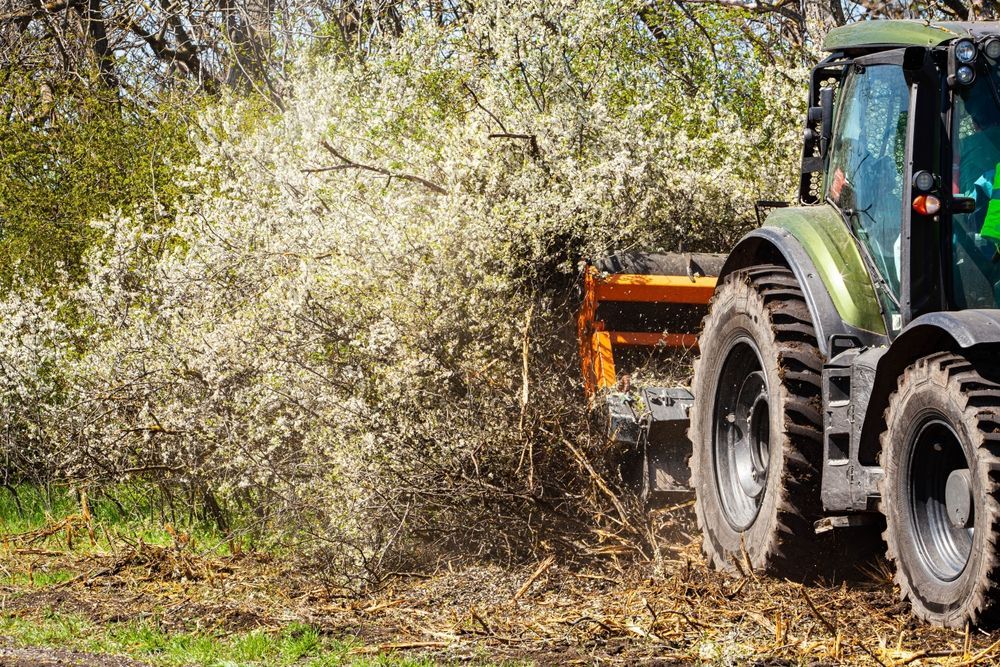
Brush hogging uses a rotary cutter pulled behind a tractor, designed to handle dense vegetation and small saplings without bogging down the way a finish mower would. The heavy-duty cutting deck processes thick stems and tangled growth, leaving cut material on the ground to decompose rather than requiring collection. Properties benefit from improved appearance and accessibility after hogging, though the cut isn't as fine as manicured turf—the goal is vegetation control and fire prevention rather than aesthetic finish.
Schedule brush hogging services to restore overgrown areas and establish a maintenance routine for your property.
What Routine Brush Hogging Accomplishes
Brush hogging cuts vegetation back to a height that allows you to walk the property, inspect structures and fencing, and identify maintenance issues hidden by overgrowth. Equipment can access areas where dense growth previously blocked entry, and the reduced fuel load lowers fire risk during dry periods when tall dead grass and woody debris would otherwise ignite easily.
After hogging, fields look maintained rather than abandoned, which matters for property value, code compliance, and basic usability. You can see property corners and boundary markers, making it easier to maintain fencing or plan improvements. Wildlife visibility improves in areas managed for hunting, and pastures become usable again for livestock when woody encroachment is knocked back before it establishes deeper root systems. Seasonal maintenance prevents the accumulation of growth that would require more aggressive clearing methods if left unchecked for multiple years.
Hogging frequency depends on how quickly vegetation grows and what you use the property for—residential lots may need hogging once or twice annually to stay ahead of overgrowth, while agricultural fields often require mid-season work to control weeds between crops or maintain pasture quality. Commercial properties typically schedule hogging to meet appearance standards or comply with vegetation management requirements for easements and fire breaks.
Answers to Frequent Service Questions
Property owners scheduling brush hogging often have similar concerns about capabilities, timing, and results.
What size vegetation can brush hogging equipment cut?
Brush hogs handle grass, weeds, and woody growth up to two inches in diameter effectively, including saplings and brambles that would damage standard mowers, but larger established trees require forestry mulching or chainsaw work before hogging can clear the area.
How does brush hogging differ from mowing?
Brush hogs use heavier cutting blades on reinforced decks that power through thick, uneven vegetation, leaving a rougher finish than mowers but handling material that would jam or break lawn equipment, making them suited for field maintenance rather than turf care.
When should overgrown properties be hogged in North Georgia?
Early to mid-spring cuts vegetation before seed heads mature and spread, while late summer or fall hogging reduces dry fuel loads before winter, though timing depends more on growth stage and your property goals than strict seasonal windows.
What happens to the cut vegetation after brush hogging?
Cut material stays on the ground where it decomposes, adding organic matter back into the soil unless the volume is excessive, in which case follow-up raking may be needed, though most routine hogging produces mulch layers that break down without additional handling.
How often should fields be hogged to prevent woody encroachment?
Annual hogging typically keeps fields clear of saplings and brush before woody growth establishes roots deep enough to survive cutting, though properties with heavy seed sources nearby or ideal growing conditions may require hogging twice per season to stay ahead of regrowth.
Teague Outdoor Contracting operates equipment capable of handling dense overgrowth on residential, agricultural, and commercial properties. Call (706) 669-0240 to arrange brush hogging for your field or lot maintenance needs.